
The Real Difference Between Winning and Losing at Online Casinos

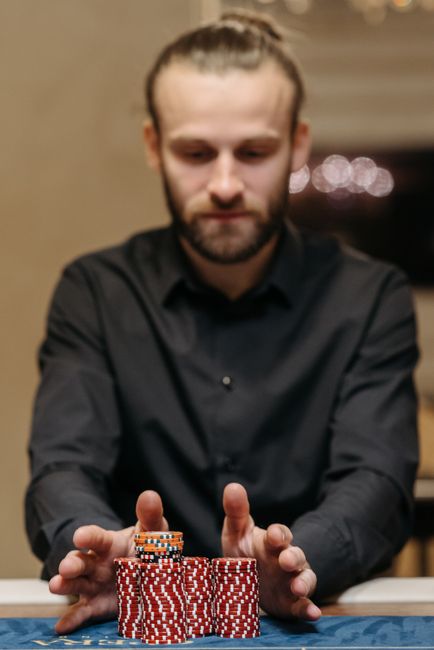
Ask ten gamblers why they lose and you'll get ten versions of the same answer: bad luck. Ask the ones who actually turn a profit over a year and they'll tell you something far less romantic. The gap between the two groups has almost nothing to do with luck and everything to do with how they choose their games, size their bets, and manage their time. I've spent the better part of a decade watching both types of players, and the differences are almost boringly consistent.
This isn't a lecture about quitting while you're ahead. It's a breakdown of the actual mechanics behind why some people bleed money at slots, sportsbooks, and poker tables while others at least keep the bleeding to a manageable trickle. Many readers start with สล็อตเว็บตรง when comparing options.
Understanding House Edge Is Not Optional
Every game you play in a casino or on a sportsbook has a built-in mathematical advantage for the operator. This is called the house edge, and it's the single most important number you can know before you put money down. It varies wildly:
- Blackjack (basic strategy): 0.5% house edge
- Baccarat (banker bet): about 1.06%
- European roulette: 2.7%
- American roulette: 5.26%
- Online slots: typically 2% to 8%, depending on the title
- Keno: often 25% or more
A player betting $10 per hand at blackjack loses an average of five cents per hand. A player betting the same $10 on a bad keno ticket loses $2.50 per wager. Over a thousand hands, that's a $50 loss versus a $2,500 loss. Same bet size, twenty-five times the damage. Most casual players never make this comparison, and it's the reason their bankroll evaporates so much faster than they expect.
Slots: Volatility Matters More Than RTP
A lot of slot content focuses on return-to-player percentage. RTP is useful, but it's only half the picture. Volatility is the other half, and it's what actually determines whether your session feels smooth or brutal.
Low-volatility slots like Starburst or Blood Suckers pay out small amounts frequently. Your balance drifts downward slowly, with regular little wins to keep you engaged. High-volatility titles like Money Train or San Quentin can chew through 200 spins with nothing, then suddenly drop a 2,000x payout. Neither is "better" — they just suit different goals.
If you have a small bankroll and want a long session, low volatility is the smarter pick. If you're chasing upside and can stomach the swings, high volatility gives you a shot at a multiplier. The mistake is loading a high-volatility slot with a $50 balance and 20-cent bets, expecting to survive long enough to hit the bonus. You probably won't.
Practical slots bankroll math
- Pick a spin size that lets you survive at least 200 spins, ideally 300.
- A $100 bankroll at $0.20 spins gives you 500 spins — comfortable.
- A $100 bankroll at $2.00 spins gives you 50 spins — you're gambling on luck, not playing a session.
- Check the slot's max win potential before committing. A game capped at 1,000x isn't going to change your life.
Sports Betting: The Vig Will Eat You Alive
The sportsbook doesn't need you to lose every bet. It only needs you to win slightly less than 52.4% of your bets to stay profitable. The standard -110 vig on either side of a spread means you have to win 52.38% of your picks just to break even. That's a high bar for anyone picking games by gut feel.
Sharper bettors cut the vig by shopping lines across multiple books. The difference between -110 and -105 on the same wager doesn't sound like much, but over 500 bets the gap is real money. They also avoid parlays more often than novices realize. A three-leg parlay at -110 each converts a 50% pick rate into a 12.5% hit rate — and the payout rarely justifies the variance.
If you love the lottery-ticket thrill of a parlay, cap them. One or two small parlays a week with 1% of your bankroll is entertainment. Ten parlays a weekend is a donation.
Poker: The Only Beatable Mainstream Game
Poker is the exception in this entire ecosystem. You're not playing against the house; you're playing against other people, and the rake is a transaction cost rather than a fixed edge against you. This means a skilled player can genuinely beat the game over time. But the word "skilled" is doing heavy lifting here.
Beating low-stakes online poker requires a set of disciplined habits that most casual players never build:
- Position awareness: playing far fewer hands from early position than late.
- Bankroll management: at least 20 buy-ins for cash games, 50+ for tournaments.
- Range thinking: not asking "what does he have?" but "what does his whole range look like here?"
- Game selection: the softest table at your stake matters more than your own skill edge.
- Reviewing hands: tracking software and post-session analysis, not just grinding volume.
The rake at micro-stakes — often 5% capped at $1–$3 — makes the games tougher than they look. You need to beat your opponents by more than the rake takes off the table, which is a bigger ask than it seems.
Time, Tilt, and the Real Enemy
Every analysis of why gamblers lose money eventually lands on the same culprit: tilt. It's the emotional state that pushes you to chase losses, double your bet size after a bad beat, or play three hours longer than you planned. Tilt is expensive because it changes your decision-making without changing the math.
A few practical defenses work better than willpower alone:
- Set a hard stop-loss and a stop-win before each session. Write it down.
- Use session timers. Two hours is long enough for most people to lose focus.
- Take a 15-minute break after any big loss or big win. Both trigger emotional decisions.
- Never gamble on borrowed money or money allocated for something else.
- Log every session — wins, losses, duration. Patterns emerge fast when you see them in writing.
The players who survive long-term aren't the ones who hit the biggest jackpots. They're the ones who lose the least during the inevitable cold streaks, because they chose games with reasonable edges, bet sizes they could absorb, and walked away before tilt took over.
The Uncomfortable Conclusion
Casinos are entertainment businesses, not charities, and the math is designed accordingly. That doesn't mean you can't have a good time or even come out ahead in a session — but the difference between a sustainable hobby and an expensive spiral comes down to decisions you make before the cards are dealt. Pick games with lower edges, match your bet size to your bankroll, understand volatility, and treat tilt as the actual opponent. Do those things and you'll be the rare player who controls the experience instead of being controlled by it.

Joeby Ragpa
This template is so awesome. I didn’t expect so many features inside. E-commerce pages are very useful, you can launch your online store in few seconds. I will rate 5 stars.
ReplyAlexander Samokhin
This template is so awesome. I didn’t expect so many features inside. E-commerce pages are very useful, you can launch your online store in few seconds. I will rate 5 stars.
ReplyChris Root
This template is so awesome. I didn’t expect so many features inside. E-commerce pages are very useful, you can launch your online store in few seconds. I will rate 5 stars.
Reply